
Key Takeaways
- Colour choices guide how batik garments suit different events, moods, and styling needs.
- Pastels, jewel tones, and earthy shades each create distinct visual and cultural effects.
- Contrast and monochrome palettes help highlight motifs without overpowering designs.
- Seasonal colour shifts keep batik pieces wearable across varied occasions.
Introduction
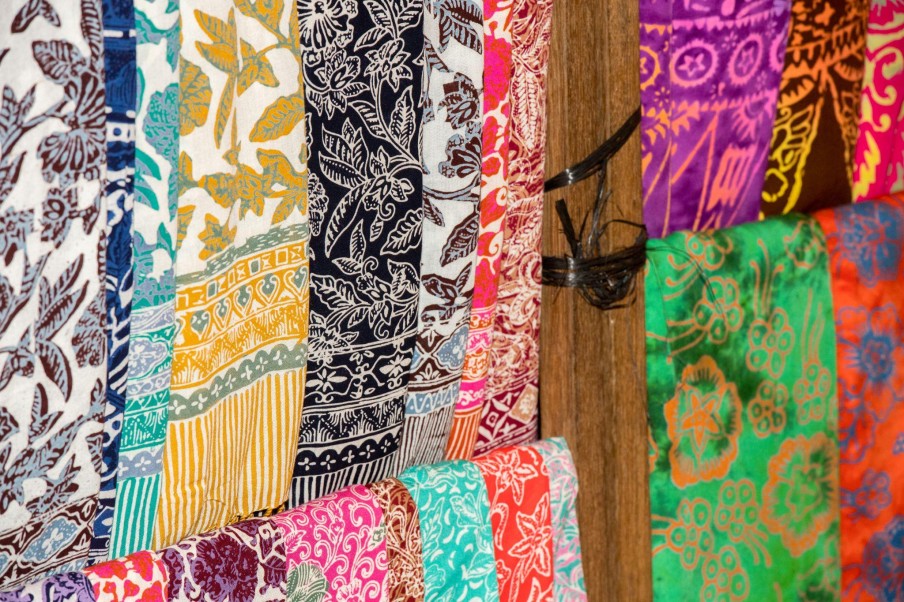
Colours carry mood before anyone notices patterns. Heritage garments lean heavily on colour to signal occasion, personality, and cultural expression. Styling decisions become easier when Nyonya batik uses palettes that highlight motifs while blending naturally with accessories. Designers and textile makers working with batik fabric pay close attention to colour balance so garments remain wearable for both celebrations and everyday routines.
Palette choices rarely happen by accident. Cultural symbolism, environment, and garment purpose all influence colour direction. Recognising these influences helps wearers match clothing to personal style and event settings without second-guessing outfit combinations.
Soft Pastel Shades That Reflect Elegance
Soft colours introduce gentle movement across textile surfaces. Floral motifs appear clearer when Nyonya batik features pastel tones such as light pink, mint green, and soft lilac, creating a calm and polished visual impression.
Relaxed gatherings and daytime occasions pair naturally with pastel-based batik fabric because lighter shades feel easy to wear and easy to coordinate. Colour layering within these palettes keeps patterns visible while maintaining visual balance in garments. Jewellery and footwear selections also become simpler when outfits rely on softer colour foundations.
Deep Jewel Tones That Symbolise Celebration
Richer colour families shift garments into festive territory. Ceremonial settings and formal celebrations frequently showcase batik fabric dyed in deep reds, royal blues, and emerald greens, adding stronger visual presence.
Layering darker shades strengthens motif outlines while helping garments maintain structural definition. Formal functions, cultural gatherings, and family celebrations often feature jewel tones incorporated into Nyonya batik collections. Colour contrast inside these palettes keeps pattern details noticeable without overwhelming the garment.
Earthy Colours Inspired by Nature
Nature-inspired tones bring warmth and familiarity into heritage garments. Batik fabric influenced by soil, plants, and natural dye traditions often features shades such as ochre, terracotta, and deep brown, producing grounded colour combinations.
Casual cultural events and relaxed social gatherings benefit from earthy palettes because these tones blend easily with contemporary wardrobe pieces. Designers use natural colour themes when creating garments with Nyonya batik to keep outfits visually comfortable while maintaining cultural character. Organic shades also highlight craftsmanship details without drawing excessive attention.
Contrasting Colour Pairings That Highlight Motifs
Contrast draws attention to details that might otherwise blend into the background. Dark outlines against lighter bases help motifs stay clear across garment surfaces, making patterns easier to notice from different angles. Colour contrast within batik fabric also shapes how garments hold visual structure, giving patterns sharper definition.
Pastel bases combined with darker floral outlines help Nyonya batik display pattern details clearly without creating visual overload. Balanced contrast keeps garments looking organised while allowing decorative elements to stay noticeable whether viewed up close or from a distance.
Monochrome Colour Themes That Emphasise Detail
Layering shades from a single colour family introduces depth without adding extra colours. Gradual tonal shifts within batik fabric create texture while keeping motif details easy to recognise.
Formal and professional wardrobes sometimes favour garments influenced by Nyonya batik using monochrome styling because the consistent palette produces a clean and composed appearance. Matching accessories also becomes simpler when outfits follow one colour direction, helping styling stay organised.
Seasonal Colour Adaptations That Improve Wearability
Seasonal changes influence how colours appear in daily wardrobes. Brighter and lighter shades reflect sunlight during warmer periods, while festive gatherings and cooler settings lean towards deeper tones. Designers adjust colour direction within batik fabric to align with seasonal styling habits while keeping cultural design elements intact.
Flexible colour palettes help Nyonya batik garments transition smoothly between celebrations, social events, and relaxed cultural occasions. Seasonal adjustments keep garments suitable for different settings while encouraging longer wardrobe use.
Conclusion
Colour selection shapes how heritage garments communicate mood, event suitability, and cultural identity. Pastel palettes, jewel tones, earthy shades, contrast pairings, and monochrome styling each influence how traditional attire fits modern wardrobes.
Contact Anmako Singapore now to browse batik pieces designed with colour pairings that fit different occasions and personal styling preferences.