
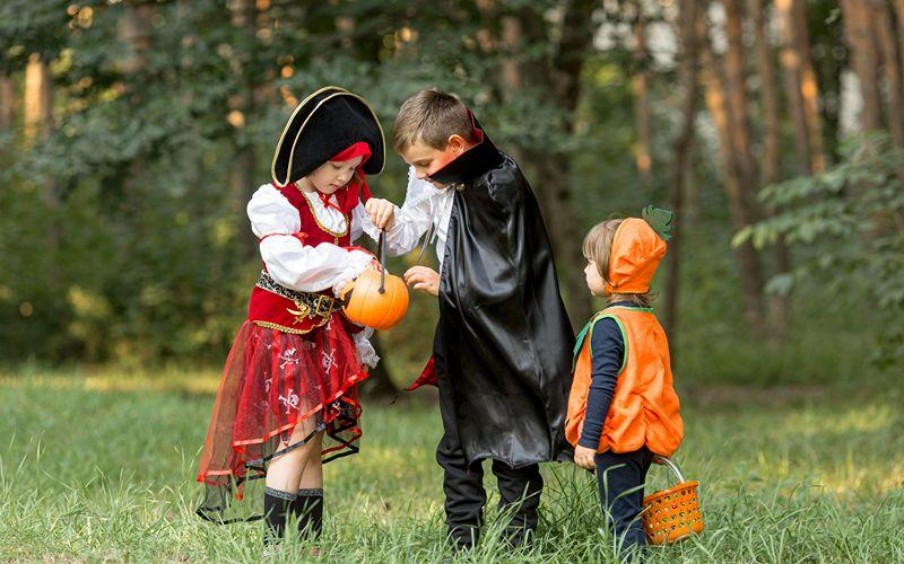
Key Takeaways
- Fairy tale costumes encourage emotional expression through structured storytelling and reflection.
- Social interaction gains depth when children step into shared narratives.
- Creative focus strengthens as play follows story logic rather than chaos.
- Memory and language skills grow through repeated imaginative roles.
Childhood learning rarely follows a straight line. Growth appears in moments of play, quiet observation, and shared imagination. These early encounters with story-driven play quietly shape how children interpret situations, relate to others, and organise their thoughts. One of the most overlooked tools within this space involves fairy tale costumes, which create structure around fantasy rather than noise around distraction. These costumes give children a way to explore ideas, feelings, and roles with intention, shaping confidence through storytelling instead of performance alone.
Story-Based Play Builds Emotional Awareness
When children step into fairy tale costumes, play gains a sense of purpose. Characters come with motivations, fears, and decisions, guiding children to process emotions through narrative instead of explanation. This process allows children to recognise emotions as part of a story arc rather than isolated reactions and it allows feelings to surface naturally, framed by stories children already recognise and trust.
Fairy tale costumes provide emotional distance, which makes reflection feel safe. A child portraying a cautious hero or a curious wanderer can explore hesitation, bravery, or empathy without feeling exposed. Over time, these moments support emotional vocabulary and self-awareness. These costumes transform play into a rehearsal for understanding emotions within a clear narrative structure.
Shared Characters Strengthen Social Confidence
Social play thrives on shared reference points. Fairy tale costumes create a familiar world where children understand roles without lengthy negotiation. This clarity reduces conflict while encouraging collaboration, since each character carries expectations shaped by story rather than dominance.
Within group settings, fairy tale costumes help quieter children participate with assurance. This shared understanding removes pressure to invent rules on the spot, which helps interactions feel calmer and more cooperative. A recognised character offers a voice, which eases entry into conversation and decision-making. As interactions unfold, listening skills sharpen, turn-taking improves, and empathy deepens. These costumes quietly support social growth through mutual understanding rather than competition.
Iconic Narratives Encourage Focused Creativity
Midway through imaginative play, structure becomes vital. This is where a costume introduces a balance between curiosity and coherence. The story offers whimsical freedom while maintaining logical progression, which keeps creativity anchored.
An Alice in Wonderland costume invites exploration without chaos. The balance between whimsy and direction helps imagination stay engaged without drifting into confusion. Children follow a narrative path, invent dialogue, and adapt scenes while respecting story flow. This form of creativity strengthens attention span and narrative reasoning. Through repeated play, the costume supports creative thinking rooted in sequence, consequence, and imagination working together.
Memory and Language Grow Through Repetition
Repeated storytelling reinforces memory. Fairy tale costumes encourage children to revisit scenes, phrases, and character arcs, strengthening recall through enjoyment rather than drills. Each retelling refines language, sentence flow, and descriptive ability.
An Alice in Wonderland costume plays a role here as well. Familiar lines and scenes invite verbal expression, helping children practise tone, timing, and vocabulary. These costumes support this cycle of recall and expression, where memory and language develop through meaningful repetition within story play.
Growth in childhood comes from spaces where imagination meets understanding. Fairy tale costumes offer a bridge between creativity and learning, guiding emotional insight, social ease, and thoughtful play. When children explore stories with intention, play becomes a quiet teacher. A costume, including an Alice in Wonderland costume, shapes moments where imagination supports development with care and clarity.
Contact Costume N Parties to explore fairy tale costumes that support meaningful childhood experiences.
You may also like
-
What Makes Outdoor Team Building More Effective Than Indoor Workshops
-
Powder Coating Thickness Standards: System Aluminium Windows Manufacturers Guide
-
Legal Marketing Services: What They Are and Why Every Law Firm Needs Them
-
IPO Investing: What Happens Before, During, and After a Public Issue
-
Sustainable Kraft Packaging Solutions From Our Factory