
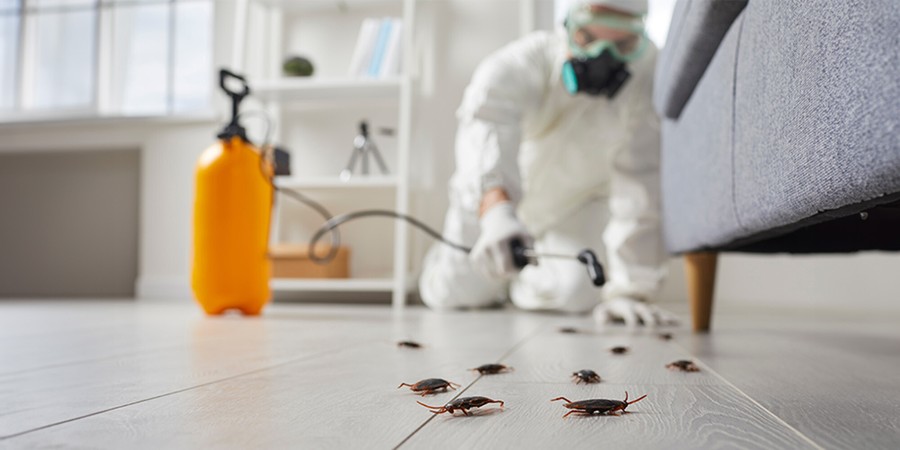
It usually starts with something small. A trail of ants near the kitchen sink, a scratching sound behind a wall late at night, or a single insect that makes you pause and wonder if there are more. These moments tend to linger, turning into quiet concerns that are hard to ignore.
Pest problems rarely solve themselves. In many cases, they grow gradually until they become difficult to manage without help. That is where professional pest control services come in, offering both immediate solutions and long term strategies to keep homes and businesses protected.
Why Pest Control Is About More Than Convenience
At first glance, pest control might seem like a simple matter of comfort. No one wants insects or rodents in their living space. But the impact goes deeper than that, affecting health, safety, and even property value.
Pests can carry bacteria, contaminate food, and trigger allergies. Rodents may chew through wiring, while termites can weaken structural elements over time. What begins as a minor nuisance can quickly turn into a more serious issue if left unaddressed.
Health and sanitation concerns
Many pests are linked to health risks. Cockroaches, for example, can spread bacteria and contribute to respiratory issues, especially in sensitive individuals. Rodents can carry diseases and leave behind droppings that contaminate surfaces.
Keeping a space pest free helps maintain a healthier environment. Professional services focus not only on removing pests but also on reducing the conditions that allow them to thrive. This approach supports both immediate relief and long term prevention.
Protecting your property from damage
Some pests cause damage that is not immediately visible. Termites, for instance, can quietly eat away at wood structures for months or even years before being detected. By the time signs appear, repairs can be costly.
Regular inspections and treatments help catch these issues early. Pest control professionals are trained to spot subtle indicators that homeowners might miss. Addressing problems early can prevent significant damage and preserve the integrity of the property.
Common Types of Pests and How They Behave
Understanding how pests behave is an important step in controlling them. Different species have different habits, which influence how they enter a space and where they tend to hide.
Some pests are attracted to food, while others seek shelter or moisture. Recognizing these patterns can help explain why certain areas of a home are more affected than others.
Household insects and their habits
Ants, cockroaches, and flies are among the most common household insects. Ants often follow scent trails, leading them directly to food sources. Cockroaches prefer dark, damp areas and tend to stay hidden during the day.
These insects reproduce quickly, which means small infestations can grow rapidly. Effective control involves eliminating both the visible pests and the conditions that support their growth.
Rodents and larger intruders
Rodents such as mice and rats are known for their ability to squeeze through small openings. Once inside, they seek out food and nesting areas. They are also highly adaptable, making them difficult to control without professional help.
In addition to rodents, some properties may encounter larger pests such as raccoons or squirrels. These animals can cause damage to roofs, insulation, and wiring. Addressing these issues requires a careful and humane approach.
What Professional Pest Control Services Actually Do
Hiring a pest control service is not just about applying treatments. It involves a structured process that focuses on identifying, addressing, and preventing infestations.
Professionals use a combination of inspection, targeted treatment, and ongoing monitoring. This comprehensive approach helps ensure that pests are removed effectively and do not return.
Inspection and customized treatment plans
The first step in any pest control service is a thorough inspection. Technicians examine the property to identify the type of pest, the extent of the infestation, and potential entry points.
Based on this assessment, they develop a treatment plan tailored to the specific situation. This may include chemical treatments, traps, or exclusion methods. Customization is key to achieving effective results.
Ongoing prevention and monitoring
Eliminating pests is only part of the process. Preventing them from coming back is equally important. Many services offer ongoing maintenance plans that include regular inspections and treatments.
These visits help identify new risks before they become serious problems. Over time, this proactive approach creates a more stable and pest resistant environment.
Choosing the Right Pest Control Company
With so many options available, selecting the right company can feel overwhelming. Not all providers offer the same level of expertise or service quality. Taking time to evaluate your options can lead to better results.
A reliable pest control company should prioritize safety, transparency, and customer satisfaction. These qualities help build trust and ensure that the service meets your expectations.
What to look for in a provider
Experience is one of the most important factors. Companies with a strong track record are more likely to handle a variety of pest issues effectively. Licensing and certification also indicate that the company meets industry standards.
Clear communication is another key element. A good provider explains the process, answers questions, and provides detailed information about treatments. This helps customers feel informed and confident in their decisions.
Comparing services and long term value
Cost is always a consideration, but it should not be the only factor. Lower prices may not always reflect the quality of service. It is important to consider what is included, such as follow up visits or guarantees.
For example, someone researching an MA pest control company might compare service plans, response times, and customer feedback before making a decision. Looking at the bigger picture helps ensure that you are investing in a solution that works over time.
Preventative Steps You Can Take at Home
While professional services play a major role, homeowners can also take steps to reduce the risk of infestations. Simple habits and routine maintenance can make a noticeable difference.
These efforts do not replace professional care, but they complement it. Together, they create a stronger defense against pests.
Keeping your home less inviting to pests
Pests are often drawn to food, water, and shelter. Keeping surfaces clean and storing food properly can reduce their interest in your home. Fixing leaks and managing moisture also helps eliminate attractive conditions.
Sealing cracks and gaps around doors, windows, and foundations can prevent pests from entering. These small changes can have a big impact over time.
Maintaining outdoor areas
Outdoor spaces also play a role in pest control. Overgrown vegetation, standing water, and debris can create ideal environments for pests to thrive. Keeping these areas well maintained reduces the likelihood of infestations.
Regular yard care, proper drainage, and thoughtful landscaping all contribute to a healthier environment. These steps help create a barrier between your home and potential pests.
A Smarter Approach to Living Pest Free
Dealing with pests is something most people face at some point. While it can be frustrating, it is also manageable with the right approach. Professional pest control services provide the expertise needed to handle both immediate issues and long term prevention.
By understanding how pests behave and taking proactive steps, homeowners can create a more comfortable and secure living space. Combining professional support with simple daily habits offers the best chance of keeping unwanted guests out for good.
In the end, pest control is not just about reacting to problems. It is about creating an environment where those problems are less likely to happen in the first place. That shift in perspective makes all the difference.
You may also like
-
Where Function Meets Feeling: A Real Look At Home And Kitchen Remodeling
-
How MTF fees affect your choice of demat account
-
How Family Service Centres Support Step Families in Singapore
-
Understanding MDR Regulation: Key Changes And Impacts On The Medical Device Industry
-
How to Use a Dyson Air Purifier Effectively in Everyday Home Settings