
Key Takeaways
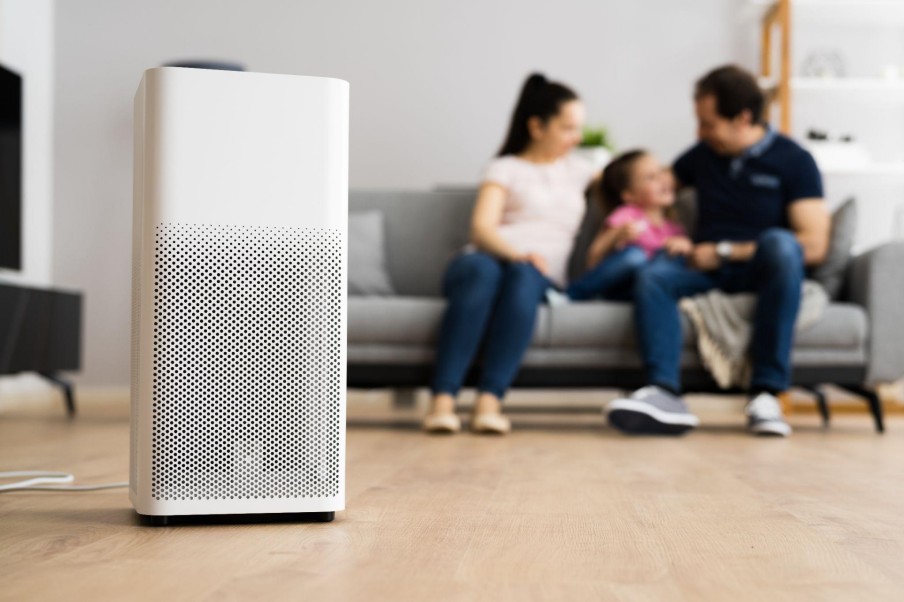
- A Dyson air purifier works best when it is placed in open, lived-in areas with enough space around it, rather than tucked into corners or tight spots where airflow is limited.
- Results improve when settings match daily activity, such as stronger modes during cooking or cleaning and quieter modes during rest, instead of leaving the purifier on one fixed setting all day.
- Consistent use, timely filter changes, and using one purifier per room matter more than power or noise, as effectiveness comes from fitting the device into everyday routines rather than running it harder.
Introduction
Running an air purifier should make a room feel easier to breathe in, not leave you wondering whether it is doing anything at all. When the air still feels stale, the machine sounds louder than expected, or the settings stay untouched because their impact is unclear, frustration builds. Using a Dyson air purifier effectively is less about leaving it switched on and more about how it fits into daily habits. The purifier’s placement, timing, and mode choice determine whether it improves comfort or becomes insignificant background noise.
1. Place the Purifier Where Air Actually Moves
An air purifier is often placed in a neat location, like next to a wall or in a corner. The problem is that air does not circulate well in these spots. A purifier can only clean the air it pulls in, so placing it where people sit, walk past, or gather allows it to work with natural airflow. Instead of recycling the same pocket of space, the purifier sucks in stale air more consistently when placed close to open spaces rather than restricted edges.
2. Give the Unit Room to Pull in Air
An air purifier needs space around it to work. When it is pushed too close to furniture, shelves, or curtains, airflow becomes uneven and less effective. The machine may run longer without noticeable improvement, which leads people to doubt its usefulness. Leaving clear space around the unit allows it to draw air from multiple directions, helping it clean the room more evenly without needing higher, noisier settings.
3. Match the Setting to What Is Happening
Leaving the purifier on one setting all day often leads to disappointment. During cooking, cleaning, or when guests are over, air quality changes quickly. Switching to a stronger mode during these moments helps the purifier respond faster instead of falling behind. When the room is quiet, lower settings are usually enough. Adjusting the mode based on activity makes the purifier feel responsive rather than passive.
4. Use Quieter Modes When the Room Is in Use
Noise is one of the main reasons people stop using air purifiers consistently. Running the purifier at full power while watching television or sleeping makes it feel intrusive. Dyson air purifiers include quieter options designed for these situations. Using lower noise modes during rest periods allows the purifier to keep working without becoming a distraction, which makes daily use easier to maintain.
5. Turn It On Before the Room Feels Uncomfortable
Waiting until the room feels stuffy means the purifier is always trying to catch up. Turning it on before bedtime, before guests arrive, or after cleaning allows air quality to stabilise gradually. When the purifier becomes part of a routine rather than a reaction, the room feels consistently fresher instead of fluctuating between comfort and discomfort.
6. Read the Display as a Pattern, Not a Test
Many people ignore the display because the numbers feel confusing. What matters is not the exact reading, but how it changes. Spikes usually follow activities like cooking or cleaning, while steady readings show that the purifier is maintaining control. Watching these patterns helps users adjust placement or settings without guessing whether the machine is working.
7. Avoid Switching It On and Off Repeatedly
Turning the purifier off whenever you leave the room limits its effectiveness. Each restart forces the machine to work harder to clean the air again. Leaving it running at a suitable setting maintains air quality more efficiently than switching it on only when discomfort appears. Consistent use is more effective than short bursts of operation.
8. Keep Filter Changes From Being Delayed
A purifier with a clogged filter still runs, but it cleans less air. Over time, airflow weakens and noise increases, even though the machine appears functional. Instead of allowing performance to steadily deteriorate, filters can be changed as needed. Maintenance does not improve results suddenly, but it prevents a gradual loss of effectiveness.
9. Accept That One Unit Serves One Space Best
Using a single purifier to cover multiple rooms spreads its impact too thin. Moving it constantly or expecting it to clean an entire home often leads to disappointment. Better results are obtained by positioning the Dyson air purifier in the space where air quality is most critical. Matching the purifier to the space prevents unrealistic expectations.
Conclusion
An air purifier does not fail loudly. It disappoints when placement, timing, and settings do not match how a home is lived in. Many people expect results without adjusting how the device fits into daily routines. When a Dyson air purifier is positioned well, used at the right moments, and maintained properly, its effect becomes noticeable and steady. The difference lies in integration, not intensity.
Contact Harvey Norman to explore Dyson air purifier options that fit real everyday home use.
You may also like
-
How MTF fees affect your choice of demat account
-
How Family Service Centres Support Step Families in Singapore
-
Understanding MDR Regulation: Key Changes And Impacts On The Medical Device Industry
-
Demat Account Apps and Digital Portfolio Management
-
A Step-by-Step Guide on How to Buy US Stocks From India