
A healthy smile plays a bigger role in everyday life than most people realize. It affects how we eat, speak, and interact with others, often shaping first impressions in subtle but meaningful ways. When a tooth becomes damaged, weakened, or severely worn, it can disrupt not only oral health but also confidence. That is where dental crowns come in, offering a reliable solution to restore both function and appearance.
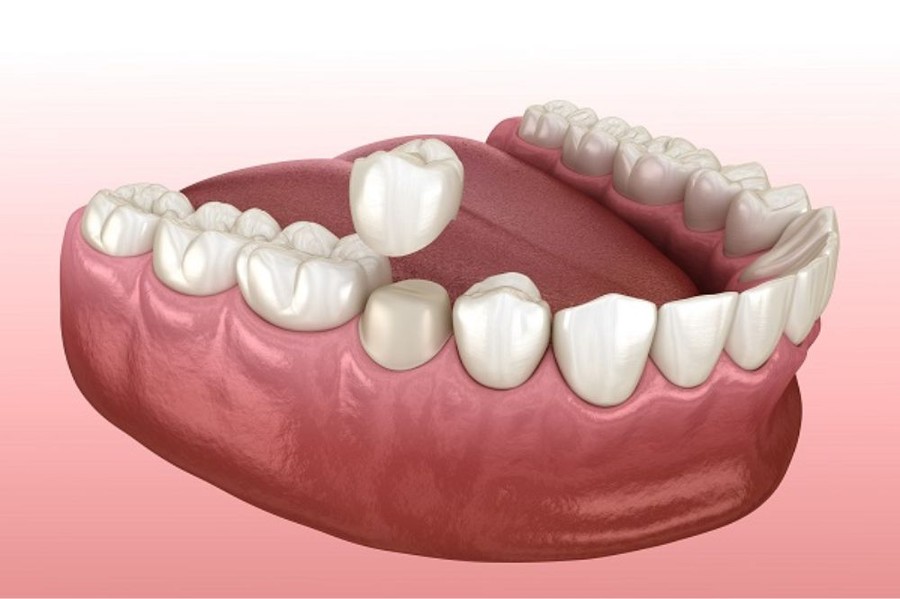
A dental crown is essentially a custom-made cap that fits over a damaged tooth, protecting it while restoring its shape, size, and strength. While the concept sounds simple, the process involves careful planning, precise craftsmanship, and a clear understanding of each patient’s needs. Over the years, advances in dental materials and techniques have made crowns more durable, natural-looking, and accessible than ever before.
Understanding When a Crown Is Needed
Not every dental issue requires a crown, but there are situations where it becomes the best option for long-term stability. Teeth that are cracked, severely decayed, or weakened after large fillings often need additional support to prevent further damage. In these cases, a crown acts as a protective barrier, allowing the tooth to function normally without the risk of breaking.
Crowns are also commonly used after root canal treatment. Once the inner pulp of a tooth has been treated, the remaining structure can become brittle. Placing a crown helps reinforce the tooth and ensures it can withstand everyday use. Dentists carefully evaluate the condition of each tooth to determine whether a crown is the most appropriate solution.
Common Conditions That Require Crowns
Several dental conditions can lead to the need for a crown. Severe tooth decay that cannot be repaired with a simple filling is one of the most common reasons. When a large portion of the tooth structure is lost, a crown provides the necessary coverage and strength to restore its function.
Cracked or fractured teeth also benefit from crowns. Even small cracks can worsen over time, especially under the pressure of chewing. By covering the entire tooth, a crown helps prevent the crack from spreading and protects the tooth from further damage.
Cosmetic and Functional Benefits
While crowns are often associated with restorative care, they also play an important role in cosmetic dentistry. Teeth that are discolored, misshapen, or uneven can be improved with a well-designed crown. The result is a more balanced and natural-looking smile that blends seamlessly with surrounding teeth.
Functionally, crowns restore the ability to bite and chew comfortably. Patients who have experienced discomfort or sensitivity often notice significant improvement after the procedure. This combination of aesthetic and practical benefits makes crowns a versatile solution for a wide range of dental concerns.
Types of Dental Crown Materials
Choosing the right material is an important part of the crown process. Each material offers unique advantages in terms of durability, appearance, and cost. Dentists work closely with patients to select the option that best fits their needs and lifestyle.
Modern dental crowns can be made from several materials, including porcelain, ceramic, metal alloys, and combinations of these. Advances in dental technology have improved both the strength and appearance of these materials, allowing for more natural and long-lasting results.
Porcelain and Ceramic Crowns
Porcelain and ceramic crowns are popular choices for their natural appearance. They can be color-matched to blend with surrounding teeth, making them ideal for visible areas such as the front of the mouth. These materials reflect light in a way that closely mimics natural enamel, creating a realistic and attractive finish.
In addition to their aesthetic appeal, modern ceramics are quite durable. While they may not be as strong as metal options, they are suitable for many everyday applications. With proper care, porcelain and ceramic crowns can last for many years while maintaining their appearance.
Metal and Porcelain-Fused Crowns
Metal crowns, often made from gold or other alloys, are known for their exceptional strength and durability. They are less likely to chip or break, making them a good option for back teeth that endure heavy chewing forces. However, their metallic appearance makes them less desirable for visible areas.
Porcelain-fused-to-metal crowns offer a balance between strength and aesthetics. The metal base provides durability, while the porcelain outer layer creates a natural look. This combination makes them a versatile option for many patients, though careful design is needed to ensure a seamless appearance.
The Dental Crown Procedure
Getting a crown typically involves more than one visit, depending on the type of crown and the technology used. The process begins with an examination and preparation of the affected tooth. The dentist removes any damaged or decayed areas and shapes the tooth to ensure the crown fits securely.
After preparation, an impression is taken to create a custom crown that matches the patient’s bite and surrounding teeth. A temporary crown is often placed to protect the tooth while the permanent one is being fabricated. Once the final crown is ready, it is carefully fitted, adjusted, and bonded in place.
What to Expect During Treatment
The procedure is generally straightforward and performed under local anesthesia, ensuring minimal discomfort. Patients may feel slight sensitivity after the tooth is prepared, but this typically subsides quickly. Dentists provide guidance on managing any temporary discomfort and caring for the temporary crown.
When the permanent crown is placed, adjustments may be made to ensure a proper bite. This step is important for comfort and long-term success. Once everything is aligned correctly, the crown is securely bonded, restoring both function and appearance.
Recovery and Aftercare
Recovery after a crown procedure is usually quick. Most patients can return to normal activities shortly after the appointment. However, it is important to avoid hard or sticky foods until the permanent crown is fully set.
Maintaining good oral hygiene is essential for the longevity of a crown. Brushing, flossing, and regular dental checkups help prevent issues such as decay around the crown or gum irritation. With proper care, a crown can remain in excellent condition for many years.
Longevity and Maintenance
One of the key advantages of crowns is their durability. Depending on the material and level of care, crowns can last anywhere from 10 to 15 years or longer. Factors such as oral hygiene, diet, and habits like teeth grinding can influence their lifespan.
Regular dental visits allow for early detection of any issues, such as wear or loosening. Dentists can address these concerns before they lead to more significant problems. This proactive approach helps extend the life of the crown and maintain overall oral health.
Preventing Damage to Crowns
While crowns are designed to be strong, they are not indestructible. Avoiding habits such as chewing ice, biting on hard objects, or using teeth as tools can help prevent damage. Patients who grind their teeth may benefit from a custom night guard to protect both natural teeth and crowns.
Diet also plays a role in maintaining crowns. Limiting sugary foods and acidic beverages reduces the risk of decay around the crown. Simple habits, combined with regular care, go a long way in preserving the integrity of the restoration.
When Replacement Is Needed
Over time, crowns may need to be replaced due to wear, damage, or changes in the underlying tooth. Signs that a replacement may be necessary include discomfort, visible cracks, or changes in fit. Regular dental evaluations help identify these issues early.
Replacing a crown involves a process similar to the original placement. The old crown is removed, the tooth is assessed, and a new crown is created to ensure continued protection and function. Staying proactive with dental care helps ensure a smooth transition when replacement becomes necessary.
Conclusion
Dental crowns offer a dependable solution for restoring damaged teeth, combining strength, functionality, and natural appearance. From addressing structural issues to enhancing the look of a smile, crowns play a vital role in modern dentistry. With a variety of materials and techniques available, patients can find options that suit both their needs and preferences.
Understanding the process, benefits, and maintenance of crowns empowers patients to make informed decisions about their oral health. With proper care and regular dental visits, crowns can provide long-lasting results, helping individuals maintain both their smile and their confidence over time.