
Key Takeaways
- Outdoor challenges reveal communication styles and build trust through shared problem‑solving and guided risk.
- High-element activities encourage courage, cooperation, and confidence while maintaining structured safety.
- Movement and natural surroundings improve focus, reduce tension, and promote genuine team interaction.
- Shared outdoor experiences strengthen morale, break hierarchy barriers, and improve collaboration back at work.
Introduction
Ever noticed how energy drops the moment a workshop begins indoors? Chairs line up, laptops open, and conversation turns cautious. Move the same group outside and the atmosphere shifts. People loosen up, speak more freely, and engage through action, not passive observation.
Teams experience challenges together through outdoor team building activities, where shared movement, problem-solving, and laughter reveal how colleagues respond under pressure and how they offer help, creating trust that meeting rooms rarely create.
Shared Challenges Build Trust
Facing Managed Risk Together
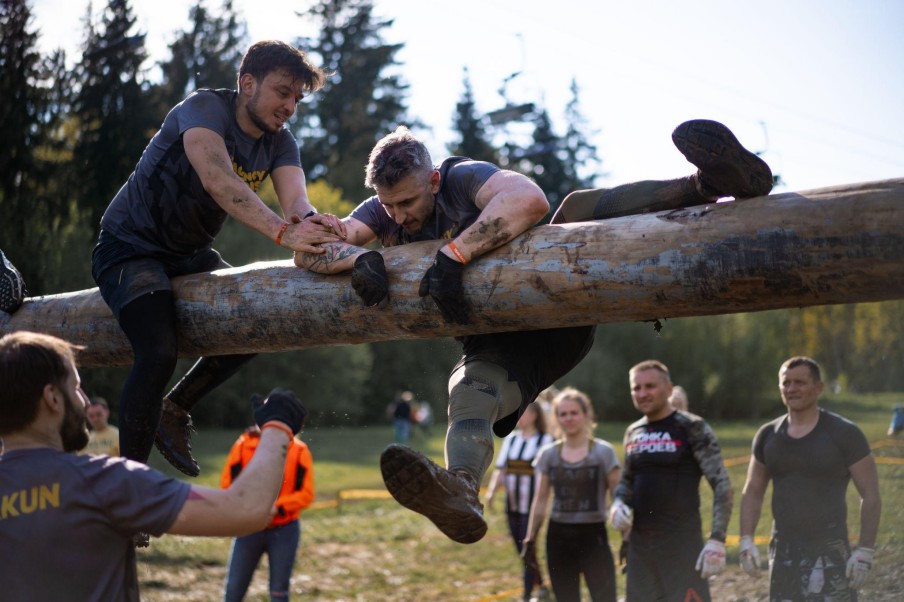
Climbing ropes, balance bridges, and harnessed climbs invite participants to step beyond routine tasks. Individuals confront controlled risks while guided by safety systems and trained facilitators during high-element activities. The experience encourages courage while maintaining structure.
Colleagues who encourage from below or guide a hesitant teammate create genuine reassurance, while voices from the ground provide orientation and timing cues that reduce hesitation. Moments remain memorable because they show patience, empathy, and calm thinking in real time, qualities that later influence daily collaboration.
Encouragement Creates Connection
Encouragement feels authentic when it happens during effort, and a teammate offering calm guidance during a climb carries emotional weight while signalling reliability under pressure. Trust develops through action and shared achievement, giving teams a reference point they can recall during demanding projects.
Movement Improves Communication
Natural Interaction Replaces Formal Talk
Outside, communication becomes direct and instinctive, as teams rely on eye contact, gestures, and quick coordination during an outdoor team building activity, reducing reliance on lengthy explanations. Messages become clearer, misunderstandings resolve faster, and participants gain awareness of how tone, timing, and body language influence group coordination, while face‑to‑face interaction without desks acting as barriers allows conversations to flow with less hesitation and helps colleagues understand one another beyond job roles.
Decision‑Making Under Light Pressure
Timing challenges and coordination tasks encourage quick thinking, as participants assess situations and act without lengthy debate in high-element activities. The pressure stays manageable, strengthening confidence and decision‑making while mistakes feel less intimidating, so teams adjust quickly, learn from missteps, and continue working together with renewed confidence.
Outdoor Settings Refresh Focus and Energy
Fresh Surroundings Improve Attention
Stepping outside interrupts routine patterns and reduces mental fatigue, helping participants focus on the present task without distraction from incoming messages and deadlines during outdoor team building activities. Improved concentration encourages mindful participation, while a clearer mental state helps individuals remain engaged, attentive, and responsive to teammates and absorb lessons through direct experience and active participation.
Playfulness Encourages Participation
Outdoor sessions combine movement, humour, and informal interaction, while an element of play lowers tension and encourages involvement even in challenging high-element activities, making participation feel inviting and comfortable. Laughter and shared light‑hearted moments help ease hesitation and allow quieter members to contribute without feeling pressured, and enjoyable experiences encourage active participation as teams return to work feeling refreshed, re‑energised, and more connected to one another.
Practical Advantages for Workplace Culture
Outdoor programmes encourage participation across personality types, as introverted participants contribute through action and observation while extroverted members channel energy into shared goals and group motivation. A balanced dynamic creates space for varied strengths to emerge and ensures contributions come from cooperation and shared responsibility.
Managers and team members collaborate side by side, reducing hierarchy and encouraging mutual respect, while working through the same challenges removes status barriers and promotes open interaction. Structured facilitation and safety briefings keep sessions purposeful and enjoyable, providing clear objectives while maintaining a relaxed atmosphere.
Conclusion
Outdoor experiences move teams beyond routine habits into shared moments that reveal communication styles, resilience, and cooperation. Trust grows through encouragement, coordination improves through movement, and morale lifts through fresh surroundings. Lessons learned outdoors tend to stay memorable because they are lived and shared in real situations.
Ready to bring your team out of the boardroom and into meaningful shared challenges? Contact Forest Adventure today to plan an experience that strengthens communication, builds trust, and energises your team.
You may also like
-
How to Compare AU Projectile Sales Before Choosing Supplies
-
Why the Colour of Your Windows and Doors Matters More Than You Think
-
Why Every Growing Business Needs a Solid Administrative Foundation
-
Powder Coating Thickness Standards: System Aluminium Windows Manufacturers Guide
-
Why Fairy Tale Costumes Shape Meaningful Childhood Success