
Key Takeaways
- Tea buffets work best when planned around movement rather than fixed serving times.
- Food balance matters more than popularity once guests arrive at different moments.
- Items that sit out for long periods change how appealing the spread feels.
- Space and traffic flow shape whether guests return comfortably to the table.
- Guests eat at different paces, which affects how the buffet feels over time.
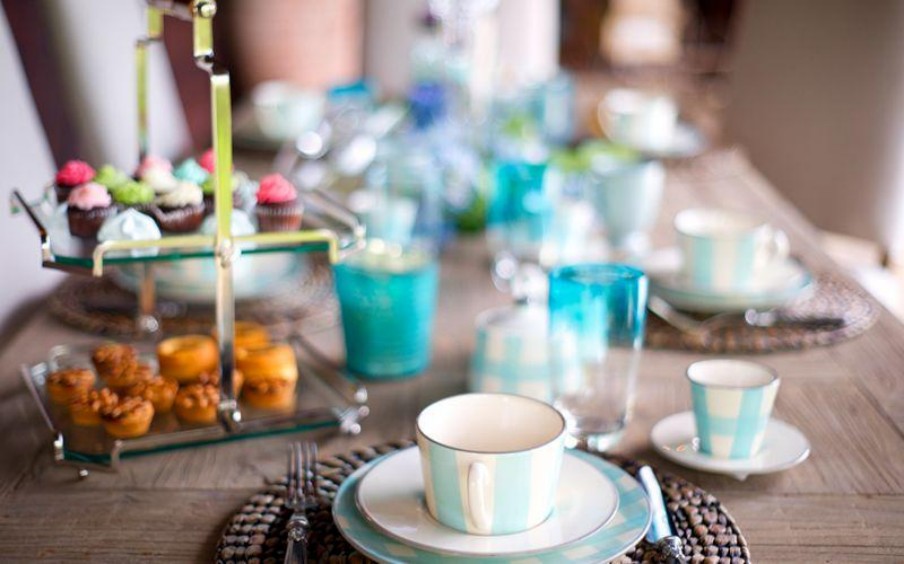
Tea buffets attract hosts who want food to be present without turning the gathering into a formal meal. The format feels suitable for casual visits, short celebrations, or events where guests come and go. What is often missed is how quickly conditions shift once people arrive at different times and stay longer than expected. Food that looks fine at setup can feel awkward an hour later. It becomes difficult to choose a caterer for a tea buffet in Singapore when the occasion is disorganized, but the plan suggests order.
1. Treating A Tea Buffet Like A Sit-Down Meal
Many hosts plan quantities and timing as if everyone will eat together. In practice, tea buffets in Singapore invite staggered eating. Some guests snack immediately, others wait, and some return later. Food prepared for a single-serving window loses its appeal as time stretches. Hosts then focus on managing trays instead of engaging with guests. The mistake comes from expecting fixed timing in a format built for movement.
2. Ordering Too Much Of One Type Of Item
Favourites feel like a safe bet, so hosts order heavily from a small selection. Early guests enjoy choice, but later arrivals face repetition. Items that were appealing in small portions become heavy when they dominate the spread. Leftovers remain plentiful but unwanted. A tea buffet works better when variety lasts, not when one item peaks early and fades quickly.
3. Ignoring How Long Food Will Sit Out
Not all dishes hold up equally once uncovered. Some soften, lose texture, or appear tired after sitting. Hosts rarely notice the decline immediately because they are busy greeting guests. By the time they return to the table, the food still looks full but attracts less interest. The issue is not quantity, but how long items remain enjoyable without attention.
4. Underestimating Space And Movement
Buffet tables expand once guests gather around them, which is why a catering service in Singapore needs to account for movement, not just layout. Bags get placed down, children hover, and used plates return to the same area. When movement feels tight, guests hesitate to approach again. Food becomes secondary to navigating space. Planning without thinking about traffic turns a relaxed setup into an obstacle.
5. Assuming All Guests Eat At The Same Pace
Tea buffets invite grazing, not uniform eating. Some guests eat lightly, while others rely on the spread as their main meal. When food runs low early, later guests feel unsure about serving themselves. When it remains untouched, hosts worry that something went wrong. The tension comes from expecting a shared rhythm where none exists.
6. Overlooking Clean-Up During The Event
Unlike plated meals, tea buffets generate mess steadily. Cups, napkins, and plates build up throughout the event. Hosts often focus on refilling food and leave disposal as an afterthought. Halfway through, clutter changes how the space feels. The mistake lies in assuming cleaning happens only after guests leave.
7. Expecting The Buffet To Carry The Event
Some hosts rely on the buffet to give the gathering its shape. When conversation slows or arrivals stretch out, attention shifts back to the food. Tea buffets work best as support, not as the centre of attention. When food is expected to sustain energy and mood, pressure builds unnecessarily. The event starts to feel managed rather than shared.
Conclusion
Tea buffets disappoint when expectations do not match how gatherings actually unfold. Hosts imagine simplicity, while real events move in fragments of time, space, and attention. The gap sits between how effortless the idea sounds and how fluid guest behaviour really is. Recognising this explains why frustration appears even with careful planning. When expectations align with reality, tea buffets feel lighter and easier to manage.
For useful catering alternatives for informal get-togethers, get in touch with Elsie’s Kitchen.
You may also like
-
The Ultimate Guide to Quartz Dining Tables That Furniture Stores Are Betting on
-
5 Fresh Cream Cake Storage Mistakes That Ruin Texture Within Hours
-
9 Islands In Singapore Worth Visiting For A Short, Relaxing Escape
-
The many types of cheese slices for burgers and their distinguishing features
-
The Perfect Wine Bottle Gift: A Thoughtful And Memorable Gesture