
Key Takeaways
- Damage to a leased vehicle must usually be reported immediately to both the leasing provider and the insurer.
- Insurance policies typically cover accident-related repairs, but excess payments and claim conditions still apply.
- The vehicle leasing company may manage repairs through authorised workshops to maintain warranty and service records.
- Serious damage can affect contract terms, compensation costs, or end-of-lease inspections.
Introduction
Vehicle damage is one of the main concerns drivers have when entering a vehicle leasing agreement. Unlike owning a car outright, the vehicle technically remains the property of the leasing provider. This instance means certain procedures must be followed if the vehicle is damaged or involved in an accident. Knowing these procedures helps drivers avoid unexpected costs or contract issues.
Drivers using vehicle leasing arrangements, including those on a long-term rental in Singapore, typically receive vehicles that come with insurance coverage, maintenance packages, and contractual guidelines. However, responsibilities still fall on the driver to report incidents, cooperate with insurers, and follow repair protocols. Once an accident or damage occurs, several key processes are triggered.
Reporting the Incident to the Leasing Provider
The first step after any accident or vehicle damage is reporting the incident. Most vehicle leasing contracts require drivers to inform the leasing provider within a specific timeframe. This notification usually happens alongside the insurance claim process.
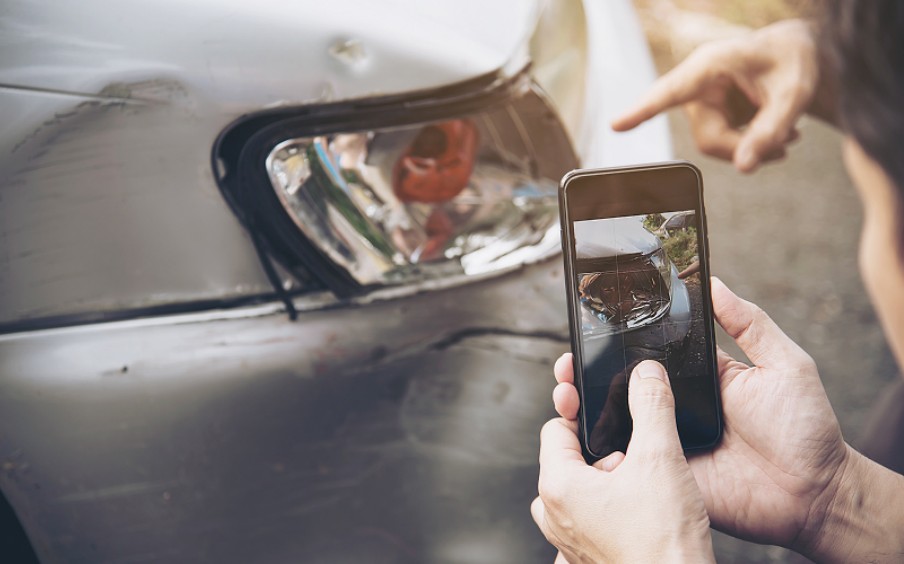
The leasing company may require documentation such as photographs of the damage, accident reports, and details of the parties involved. Police reports may also be necessary in more serious cases. Reporting requirements exist because the leasing provider retains ownership of the vehicle and must ensure proper documentation for insurance and repair purposes.
Failure to report the incident promptly can create complications with insurance claims or violate lease conditions. Due to this, drivers are generally advised to contact the leasing company immediately after ensuring safety at the accident scene.
Insurance Claims and Excess Payments
Most vehicle leasing packages include insurance coverage arranged by the leasing company. This insurance usually covers accident repairs, third-party liability, and certain forms of damage. However, drivers are still responsible for paying the policy excess if a claim is made.
Once an accident occurs, the insurer reviews the claim to determine fault and coverage. If the driver is found responsible, the excess amount must typically be paid before repair work begins. Even in cases where another driver is responsible, the claims process may still involve temporary payments or documentation while liability is being assessed.
Insurance terms for drivers on long-term rental agreements are usually integrated into the rental package. This approach simplifies the process but does not eliminate financial responsibility entirely. Drivers should always review the insurance excess amounts and claim conditions stated in the leasing contract.
Repair Management Through Authorised Workshops
Once an insurance claim is approved, the vehicle must typically be repaired through authorised workshops. Leasing companies often restrict repair work to approved service centres to maintain warranty standards and ensure proper repair quality.
Under vehicle leasing arrangements, the leasing provider may coordinate repair appointments and communicate directly with the workshop and insurer. This approach ensures the vehicle is restored according to manufacturer standards and prevents unapproved modifications or repairs.
The provider, particularly for customers using a long-term rental, may also arrange temporary replacement vehicles, depending on the contract terms. Replacement vehicles are not always guaranteed but may be offered when repair durations are extended or when the vehicle becomes temporarily unusable.
Impact on Lease Conditions and End-of-Contract Inspection
Vehicle damage can influence the outcome of the lease agreement, particularly during the final vehicle inspection. At the end of most vehicle leasing contracts, the car undergoes a condition assessment to determine whether additional charges apply.
Once repairs have been completed through authorised workshops and documented properly, the inspection process is usually straightforward. However, unresolved damage, cosmetic defects, or unauthorised repairs may lead to additional charges.
Lease agreements for drivers using long-term rental services often include wear-and-tear guidelines that define acceptable vehicle condition. Minor usage marks may be permitted, but structural damage or poorly repaired panels may incur penalties.
Knowing these inspection criteria helps drivers avoid unexpected charges when returning the vehicle at the end of the leasing period.
Conclusion
Damage or accidents involving leased vehicles trigger a series of procedures designed to protect the vehicle owner, insurer, and driver. Reporting the incident promptly, cooperating with insurance claims, and using authorised repair workshops are essential steps that keep the leasing agreement compliant.
Drivers entering vehicle leasing contracts should familiarise themselves with insurance coverage, repair procedures, and end-of-contract inspection rules before any incident occurs. A clear understanding of these processes ensures that accidents are handled efficiently and reduces the risk of financial disputes or unexpected lease penalties.
Contact Eurokars Leasing to explore flexible long-term rental solutions that keep your transport plans running smoothly.
You may also like
-
Unlocking Urban Space With Mechanical Puzzle Parking
-
What to Do When Your Check Engine Light Comes On: A Comprehensive Guide
-
Comprehensive Guide to Brake Service Repair at Cloverdale Auto Service
-
The Importance of Headlight Restoration for Safe Driving
-
Quality Transmission Repair in Sarasota, FL: What You Need to Know